NEW SUBSTACK
August 2026
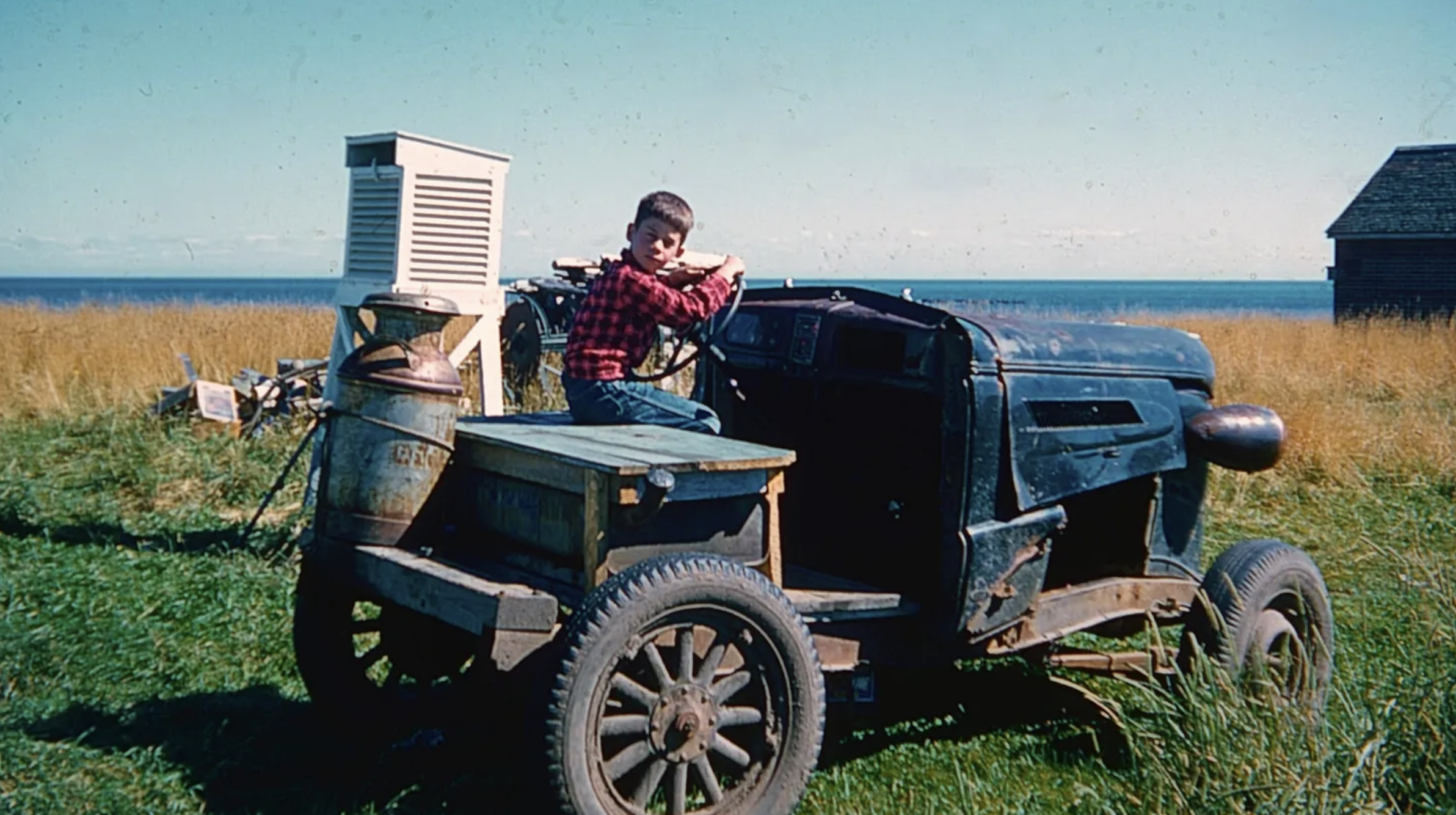
My attempt at being a better communicator: Try it, you’ll like it. That’s me by my father’s weather station on Kent Island in, I think, 1953.
NEW BOOK
August 2026
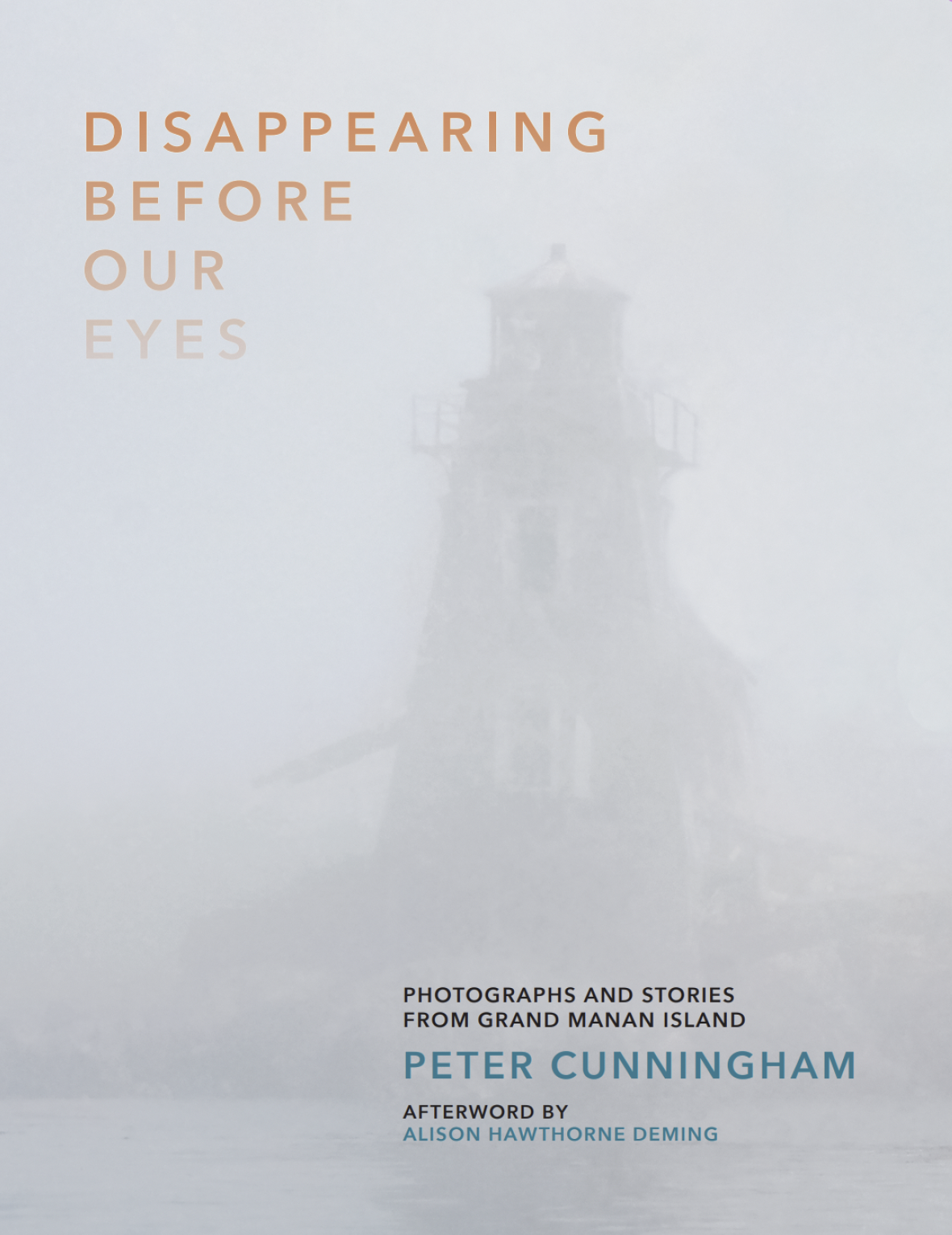
JUST RELEASED IN CANADA. US pre-order is listed on most on-line seller sites, here’s BOOKSHOP.ORG which support local bookstores. It’ll be in stores in October.
Maclean’s Magazine did a good piece about the book.
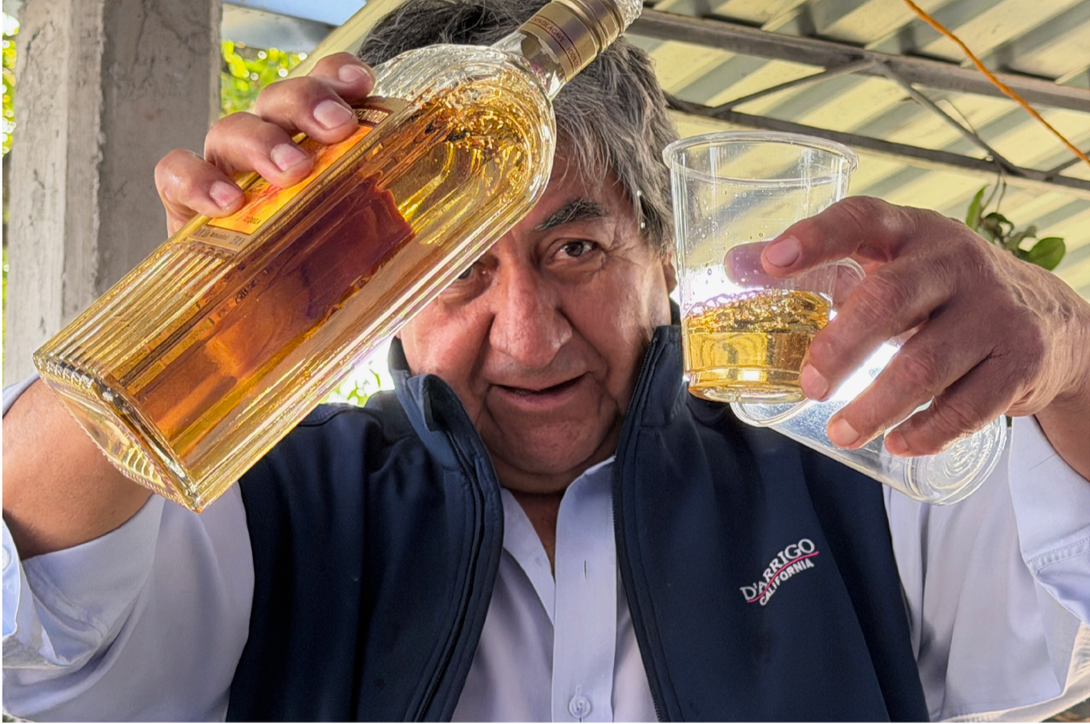
GRAND CENTRAL STATION
October 2025
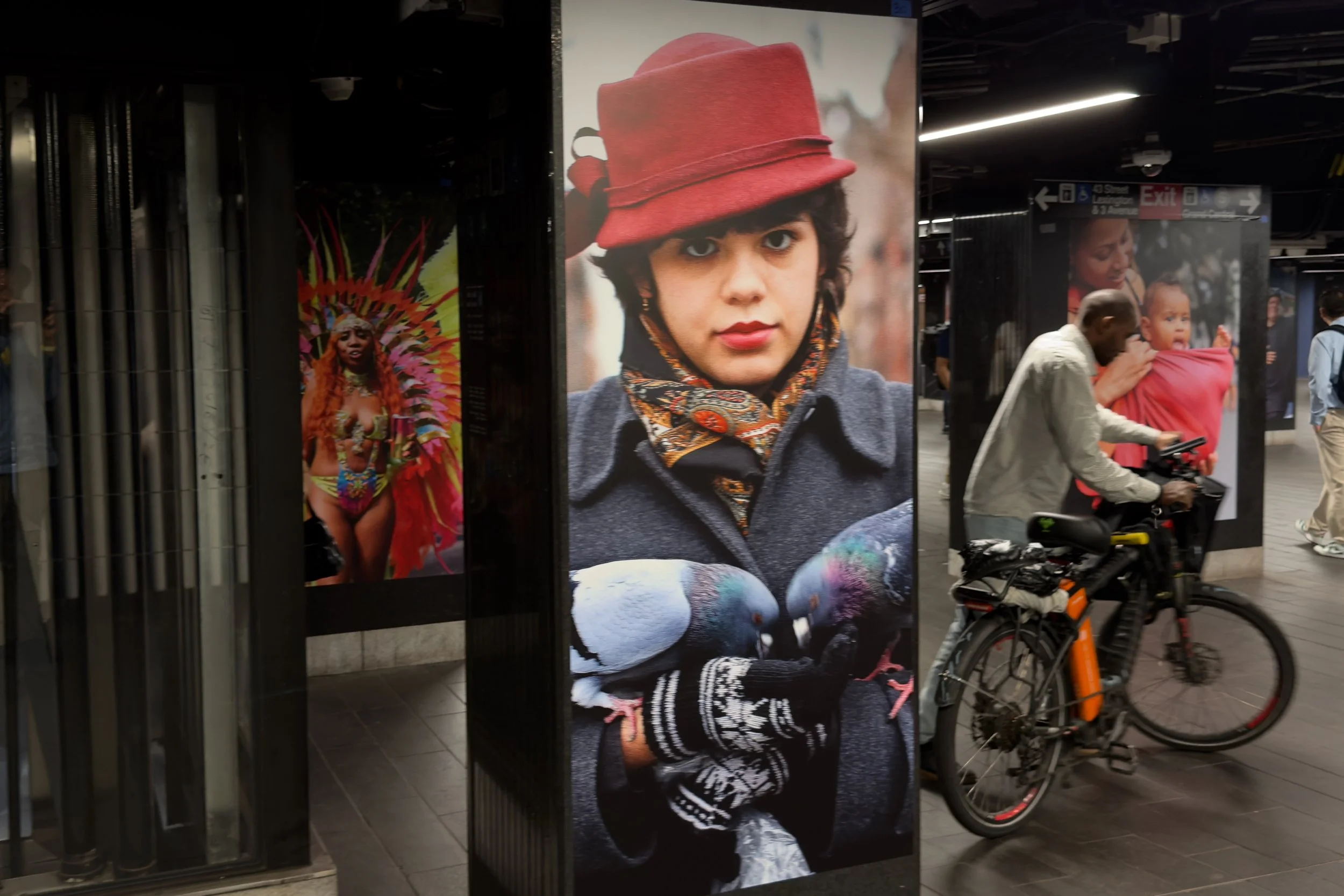
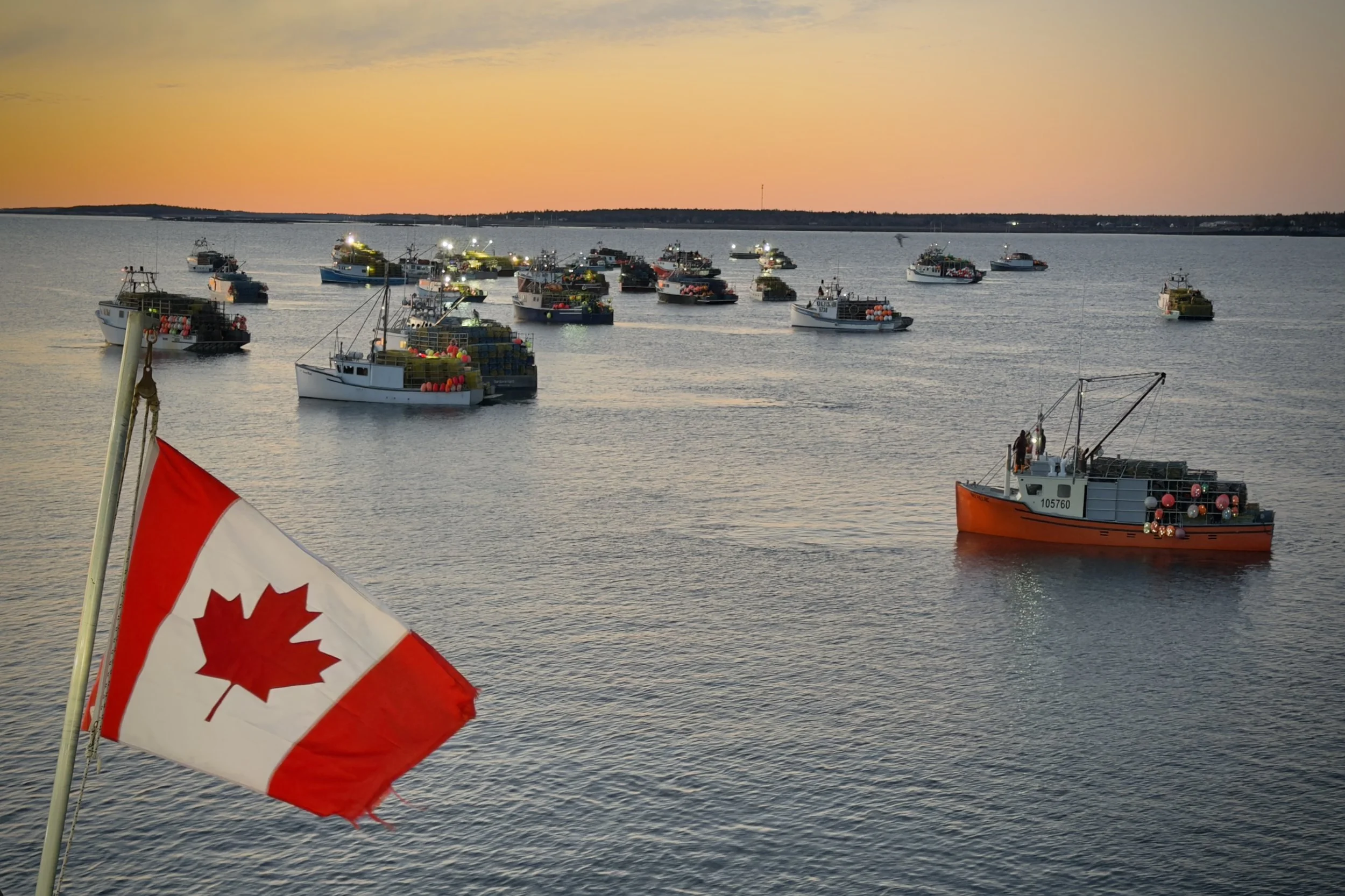
GETTIN READY FOR SETTING DAY on GRAND MANAN ISLAND November 6-9, 2025 More Here
NEW YORK
Soho
November 2025
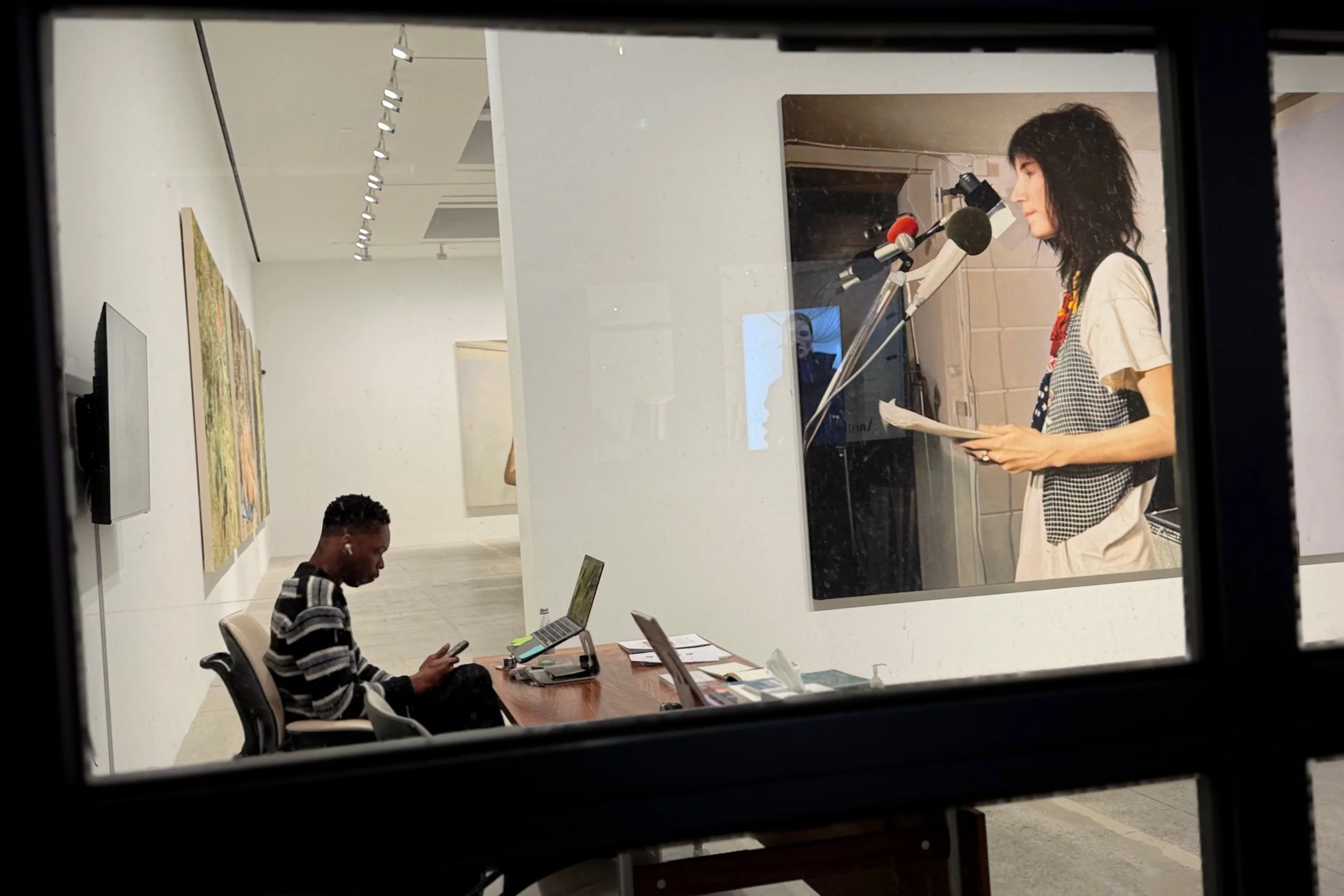
THIS WAS OUR LIFE
A film about life in NYC before Covid 2020
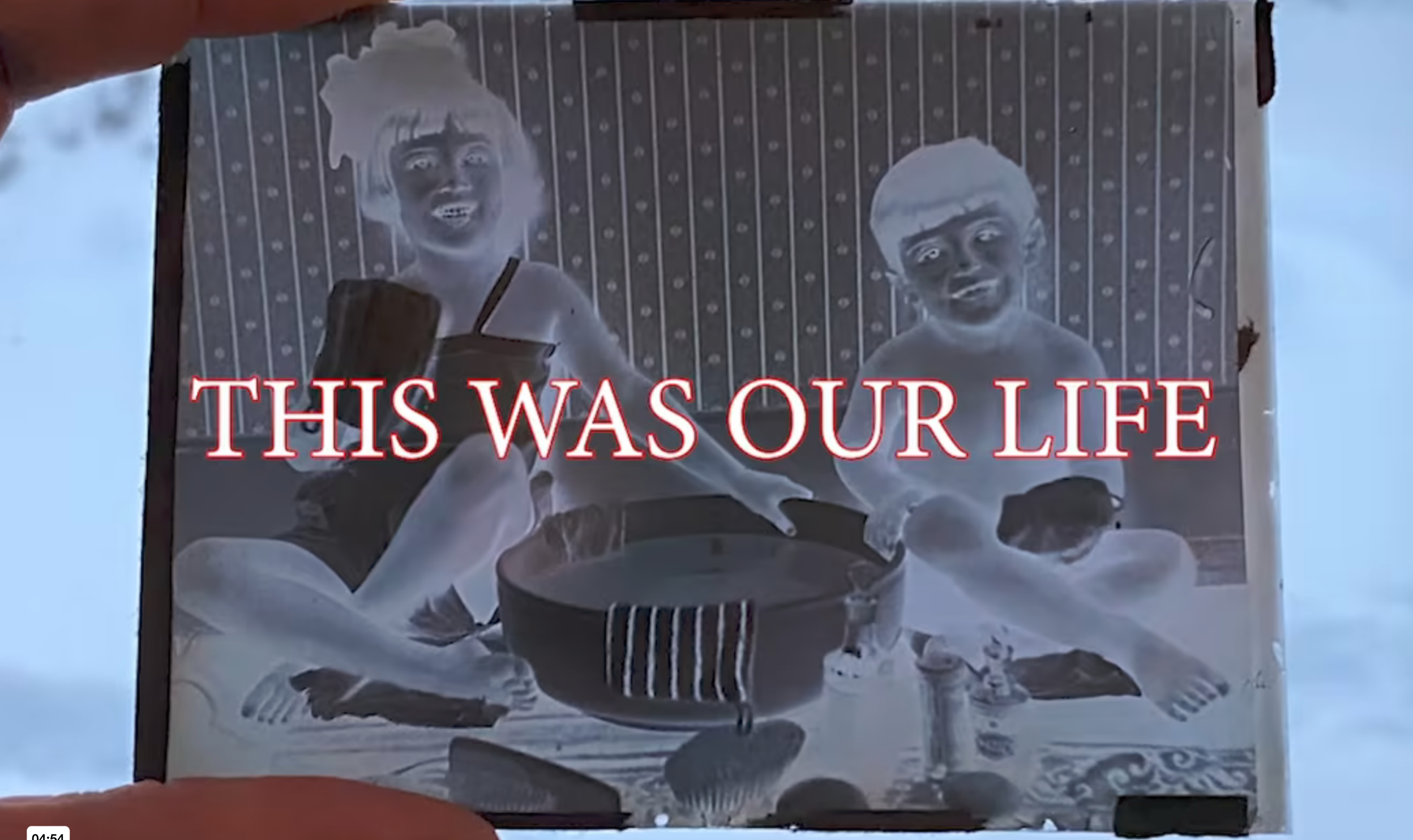
A portrait of life in pre-pandemic New York. Music by Zoe FitzGerald Carter. Photographs and film by Peter Cunningham. 5 minutes. 2020
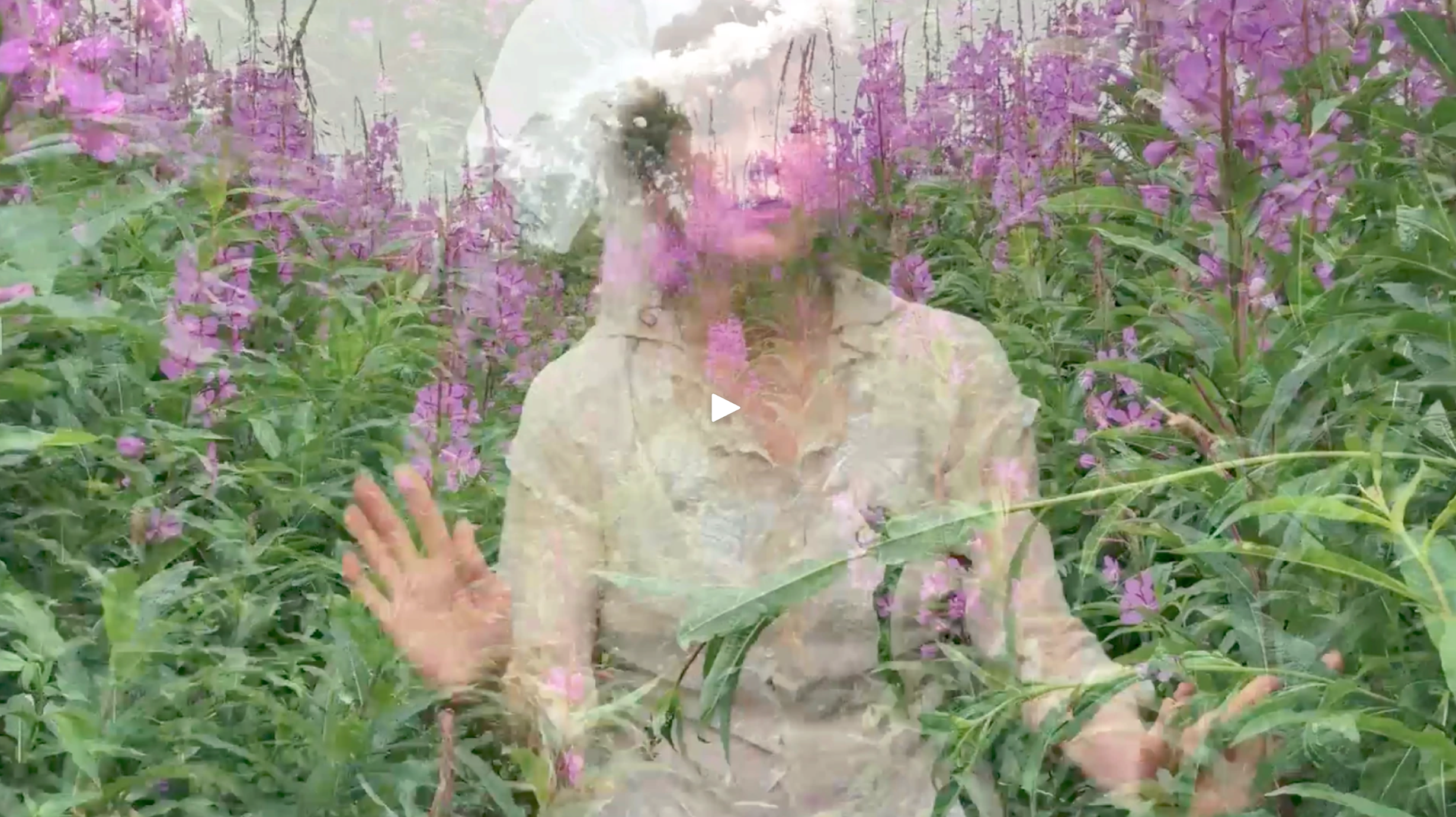
ON LOOKING BACK Orpheus and Eurydice from Eurydice’s point of view. Written and Performed by Ara Fitzgerald. Film by Peter Cunningham. Music by Wall Matthews. 7 min 2018
photographs 1969-2022
JANIS IAN
a film
This is a film about an artist at work from 1969-2022. The music is from Janis’ recent farewell album. Janis has successfully recorded and performed since the age of 16, so it was disappointing that just before completing her last tour with shows in Nashville and Dublin, a viral infection caused vocal cord scarring and she can no longer sing. She will, however, continue to lecture on the artistic process in universities around the world. A film about her life will be showing in film festivals in 2025. Janis has donated her archives to Berea College in Kentucky where she will join bell hooks on the shelves. Film 4 min.
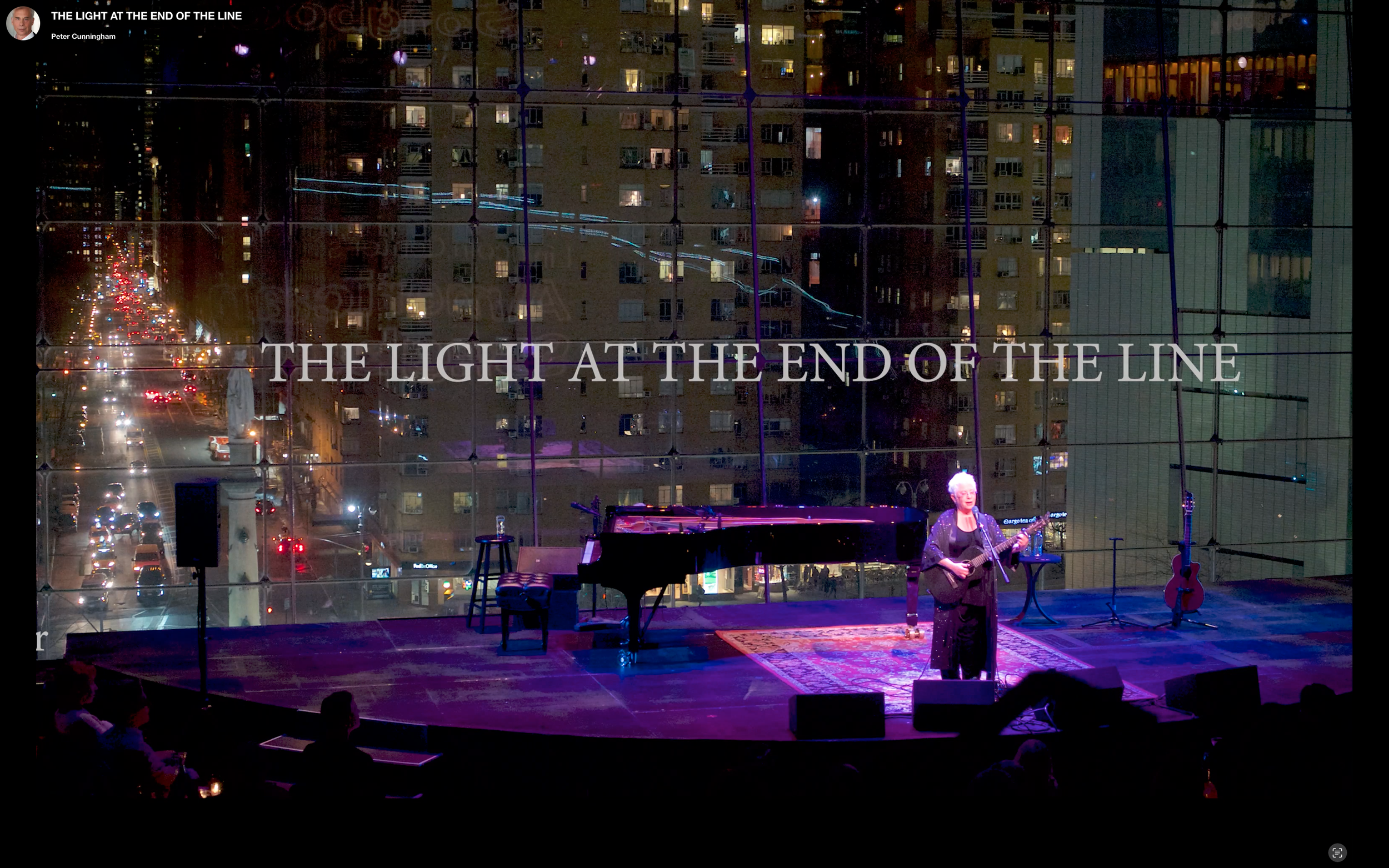
JANIS IAN on the stage of Jazz at Lincoln Center.
In the blink of an eye / All that's left is the past / And the memories fade / 'Til there's silence at last / But the song will remember / The spark will still shine / It's the light at the end of the line / There's a light at the end of the line

My talk at The Bruce Springsteen Archives in Monmouth, NJ January 7, 2023. Click through to see the “slightly standing” ovation. HERE is a link to the talk itself which was recorded by The Archives.

The New Yorker chose to illustrate their article on Madonna with my contact sheet from 1982.
Henri cartier-bressoN
IN NEW JERSEY
1975/2003

In January 2024, THE NEW YORKER ran an account of my experience assisting Henri Cartier-Bresson in 1975. (or here). Here, David Remnick interviews Peter for The Radio Hour.
ARE WE THERE YET?
1982

In 1982 I was honored to travel in Japan with these fellas. Our task was to meet Roshi Bernie Glassman’s teachers’ teachers, the great living Zen Masters, national treasures all. Peter wrote and I made pictures. Published by Compass Books.
THE Two TREASURES
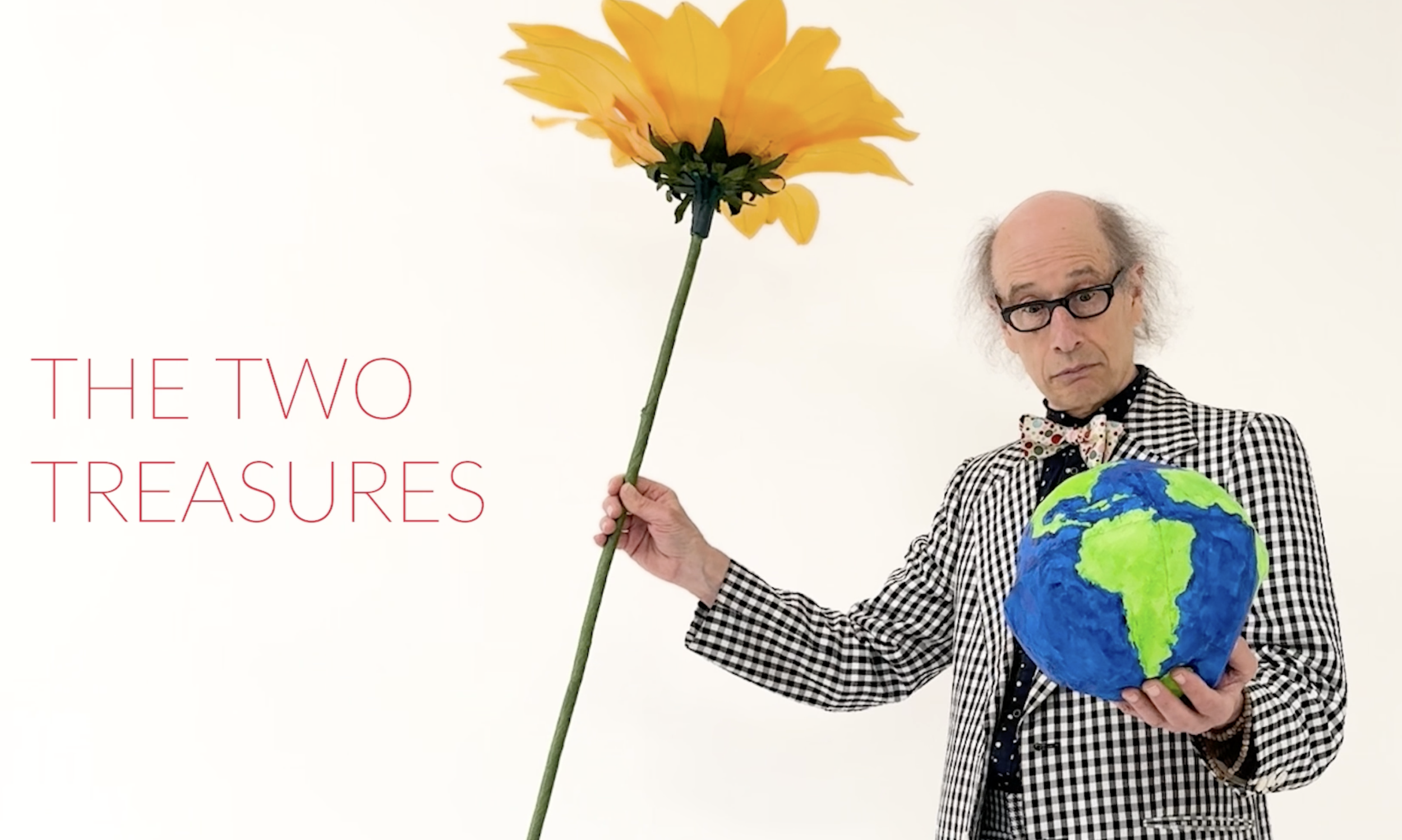
Created and Performed by Moshe Cohen Music by Yogetsu Agasaka, Film by Peter Cunningham 2024
DIAGNOSIS DAY
This was a 2012 book collaboration with Mark Schapiro on California Agriculture and Climate Change. Music by Jason Rabin-Go Down Slow music) Photographs by Peter Cunningham with. film 3 min
ALABAMA

ZEN PEACEMAKERS BEARING WITNESS in Birmingham, Selma, and Montgomery May, 2022
2024
HOW DOES IT FEEL?
My brother Bill sings his way through hospice care.
My little brother Billy, six years younger, was accepted for hospice care. But when music was put by his ear, he was reborn. He began singing along, he knew all the words. On April 24, 2024. Billy was kicked out of hospice, it was a triumph: music cures. But none of us can avoid the inevitable; he slipped away peacefully on July 3, 2025.
This film isn't for everyone, it's rated PG45. Billy co-produced this, we did it together.

THE SUMMER MY BROTHER DIED Lincoln, Massachusetts and Grand Manan, New Brunswick. October 2022

My Father, Bob Fogseeker Cunningham (1919-2008) was a Cloud Physicist This C-130 was dubbed, Cunningham’s Roughriders.’
2024
A CHILD’S VIEW
2025
AN ADULT’S VIEW

Boston 4-5-25
LUCY CALKINS’
YOUNG WRITERS
2024
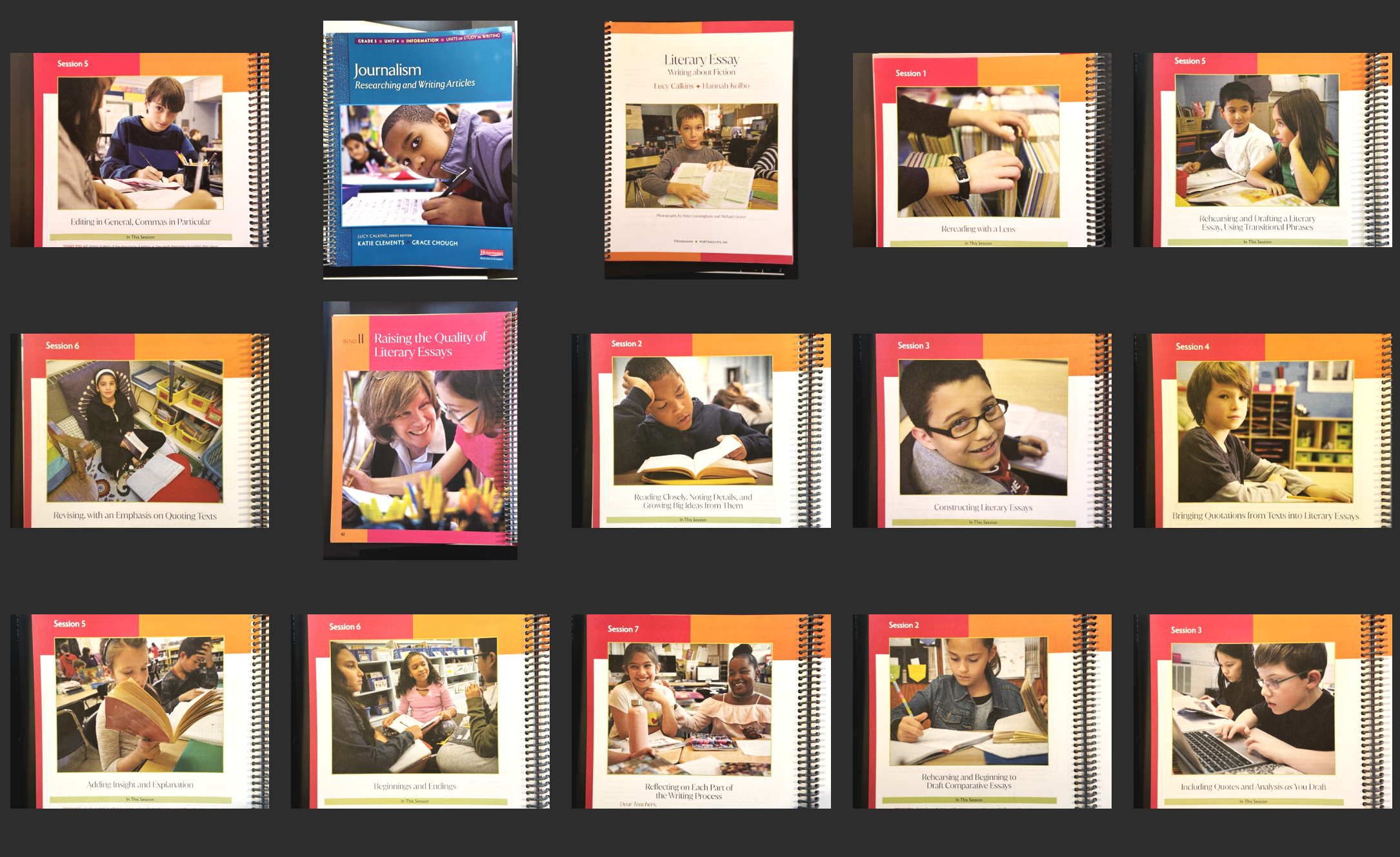
In 2024 Heineman introduced 20 new Lucy Calkins books for teaching teachers how to teach writing. These are the best classrooms I’ve ever worked in. My thanks to all the kids, you know who you are.
BEARING WITNESS IN AUSCHWITZ-BIRKENAU
1996-2005

Auschwitz-Birkenau with Zen Peacemakers 1996-2005 4 films 10 mins
THE GATES
2005
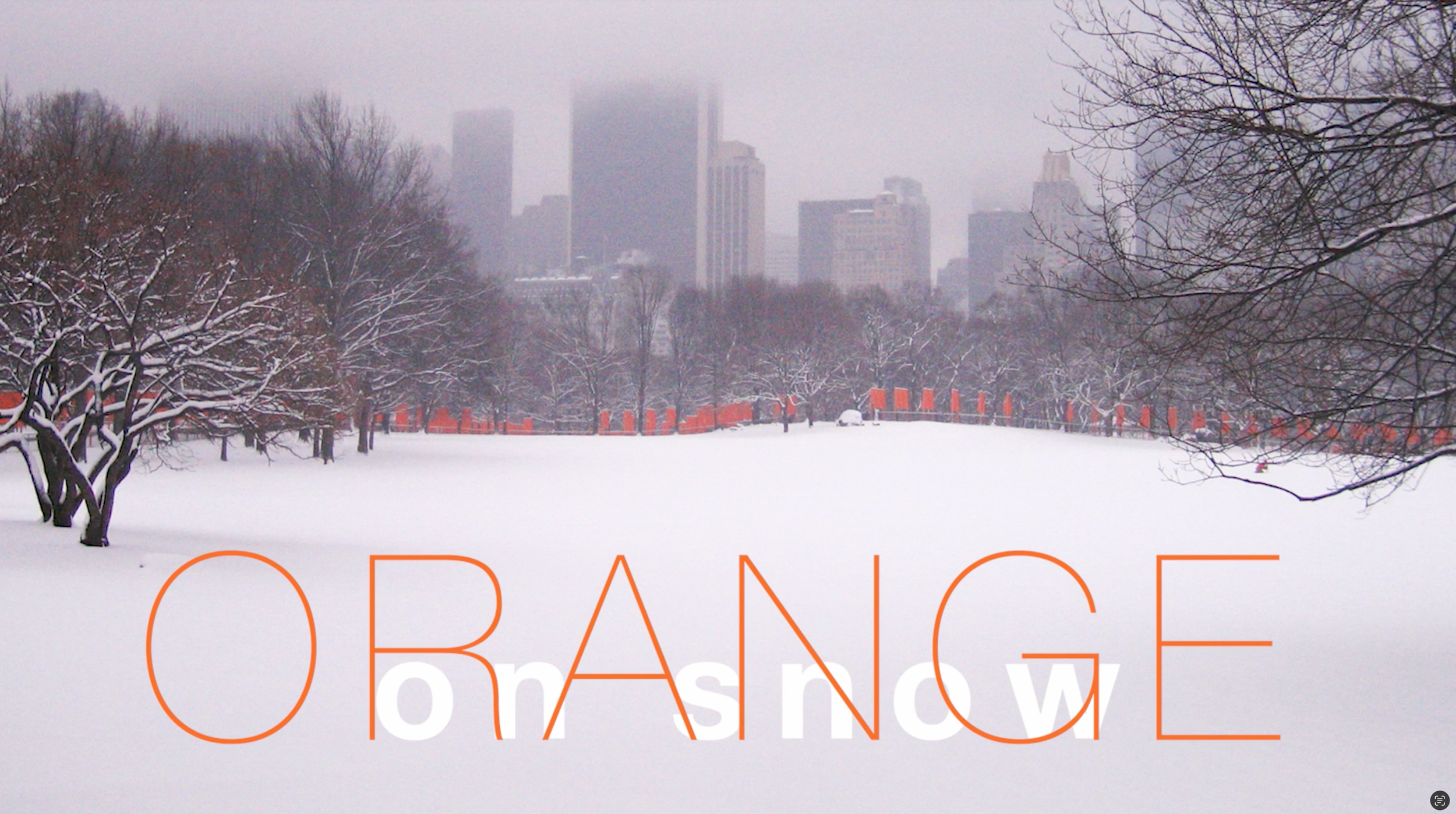
THE GATES by Christo and Jeanne-Claude in Central Park 2005. Music by Ricky Ian Gordon performed by John Nauman Film 5 mins
TEXT / CONTEXT
2021
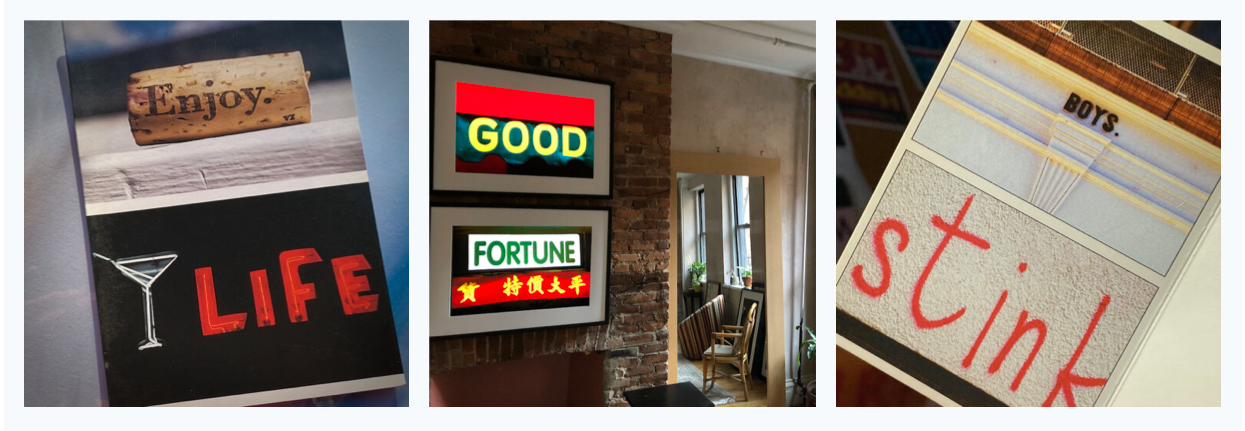
PHOTOGRAPHS OF WORDS Here’s a game and a children’s book, and above is a film with music by ZOE FITZGERALD CARTER
ME ME ME
AND ME

Peter’s Bio Here he shares an exercise with students at a Yale School of Drama workshop.
Photographs of Peter by Jon-Marc Seimon

Downtown 2001
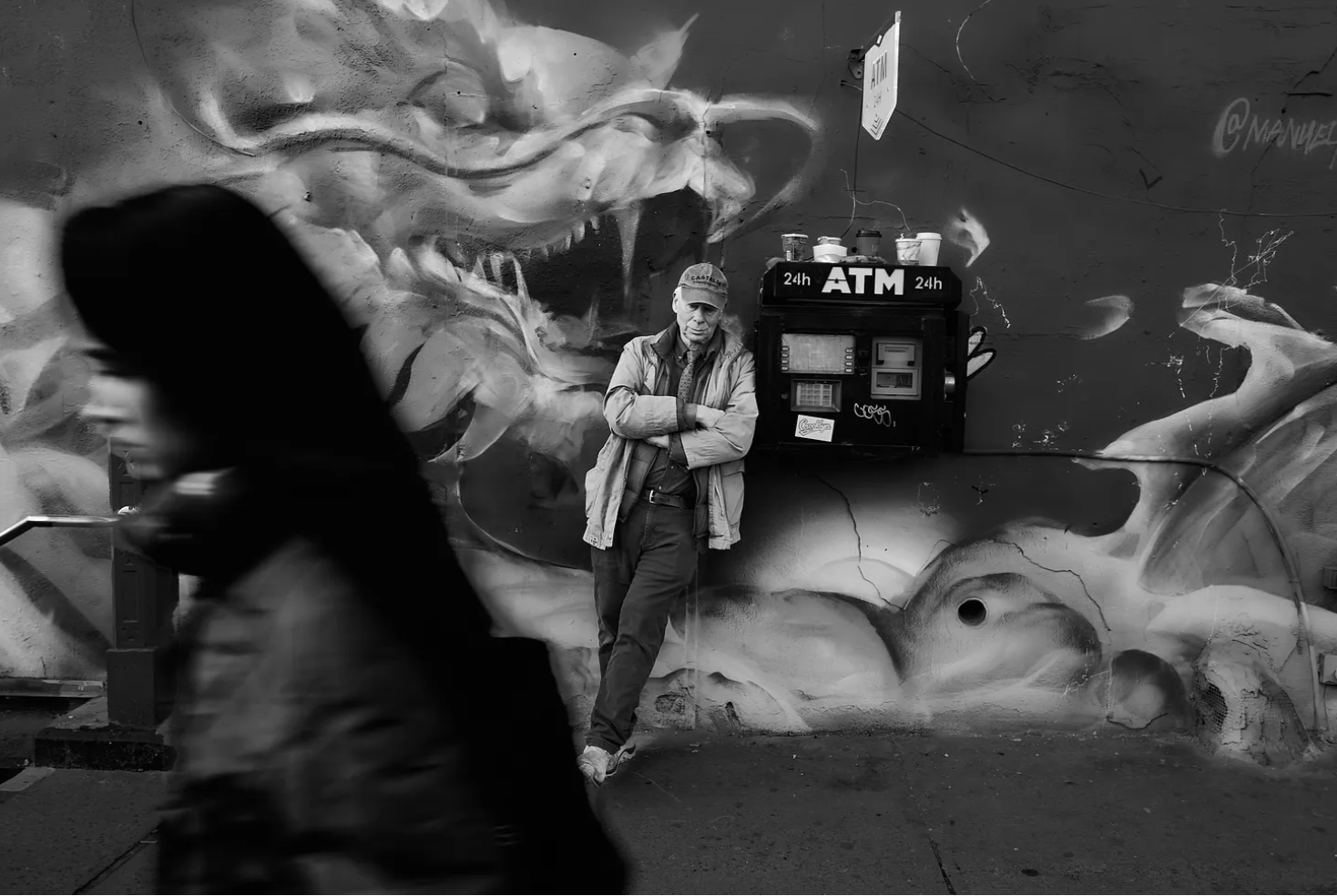
Downtown 2024

From a 2019 exhibition in Vermont curated by Dian Parker. This currently links to a series of old but still relevant pictorial blog posts.

contact: peterc(at)stilltv.com


